


Sam Altman says India has created over 1B images on ChatGPT Images 2.0
Launched globally in April, ChatGPT Images 2.0 is OpenAI’s attempt to turn image generation into a native part of conversational AI rather than a separate specialist tool.

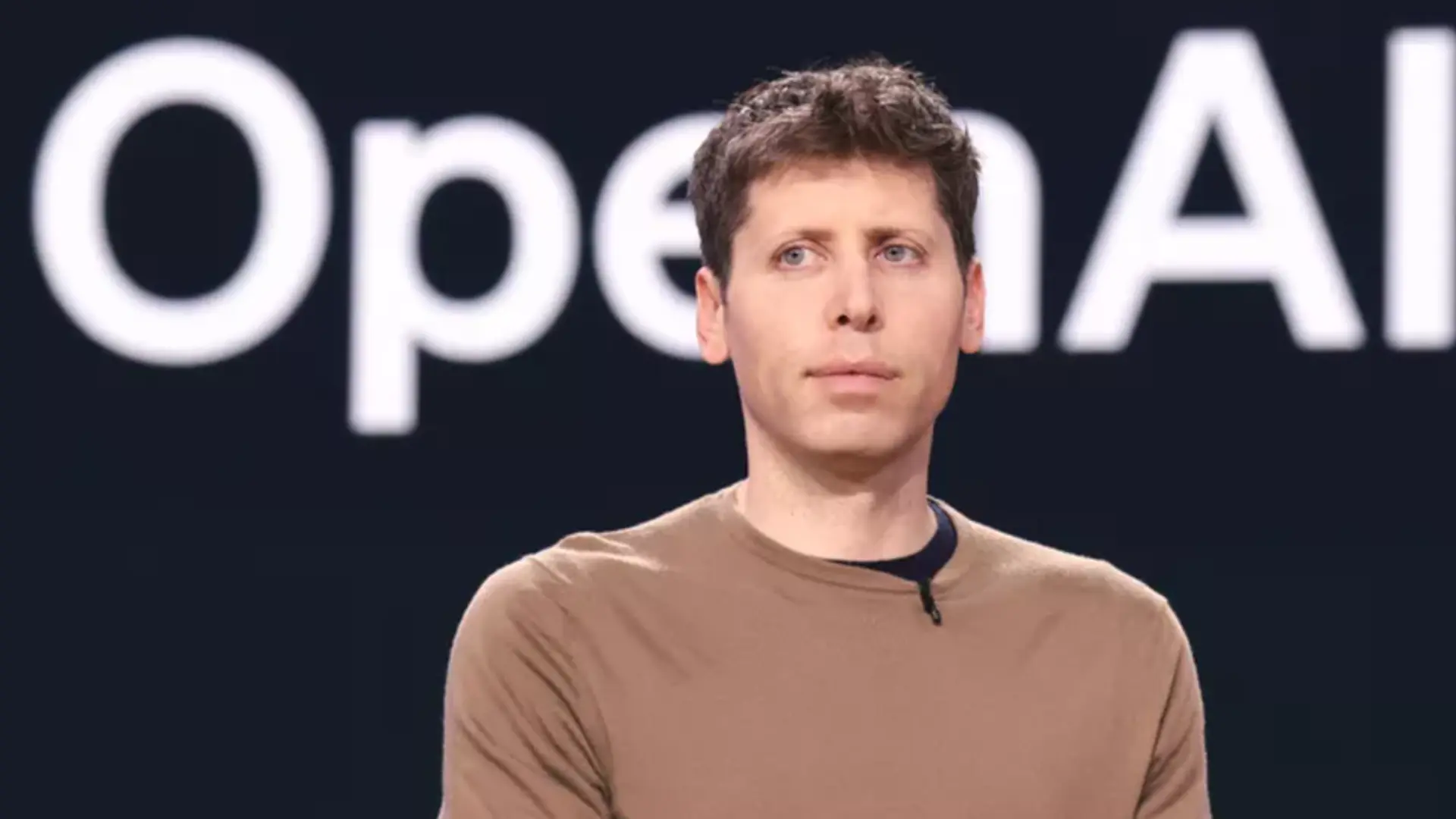

OpenAI CEO Sam Altman has said the company’s next-generation image generation platform, ChatGPT Images 2.0, is seeing explosive growth in India, which has quickly emerged as one of its most important markets.
“ChatGPT Images 2.0 💚 India. Already more than 1 billion images created there; awesome to see,” Altman wrote in a post on X.
In just a few months since launch, ChatGPT Images 2.0 has evolved from a major generative AI upgrade into one of the world’s fastest-growing creative technologies, with India becoming one of its largest and most enthusiastic user bases.
Launched globally in April, ChatGPT Images 2.0 is OpenAI’s attempt to turn image generation into a native part of conversational AI rather than a separate specialist tool.
OpenAI’s newer system folds image creation directly into ChatGPT, allowing users to generate, edit and refine visuals through an ongoing conversation. The technology itself builds on OpenAI’s broader multimodal GPT architecture, which combines text, reasoning, visual understanding and generation in a single ecosystem.
India’s central role in this growth is especially notable. The country has rapidly become one of the world’s largest consumer bases for generative AI tools, driven by a combination of mobile-first internet culture, affordable data access and an enormous creator economy.
Social media has accelerated adoption further. AI-generated portraits, anime-inspired images and cinematic profile pictures have spread rapidly across platforms such as Instagram and LinkedIn.
At the same time, the rapid expansion of AI image generation continues to raise questions around copyright, misinformation and the future of creative labour. OpenAI, like its competitors, faces growing pressure to balance innovation with safeguards around attribution, consent and synthetic media transparency.