


5 Indian sportswomen who dominated headlines this month
Across stadiums, tracks, and pitches, Indian women athletes delivered defining performances in February. Here are five of them who made headlines and the country proud.

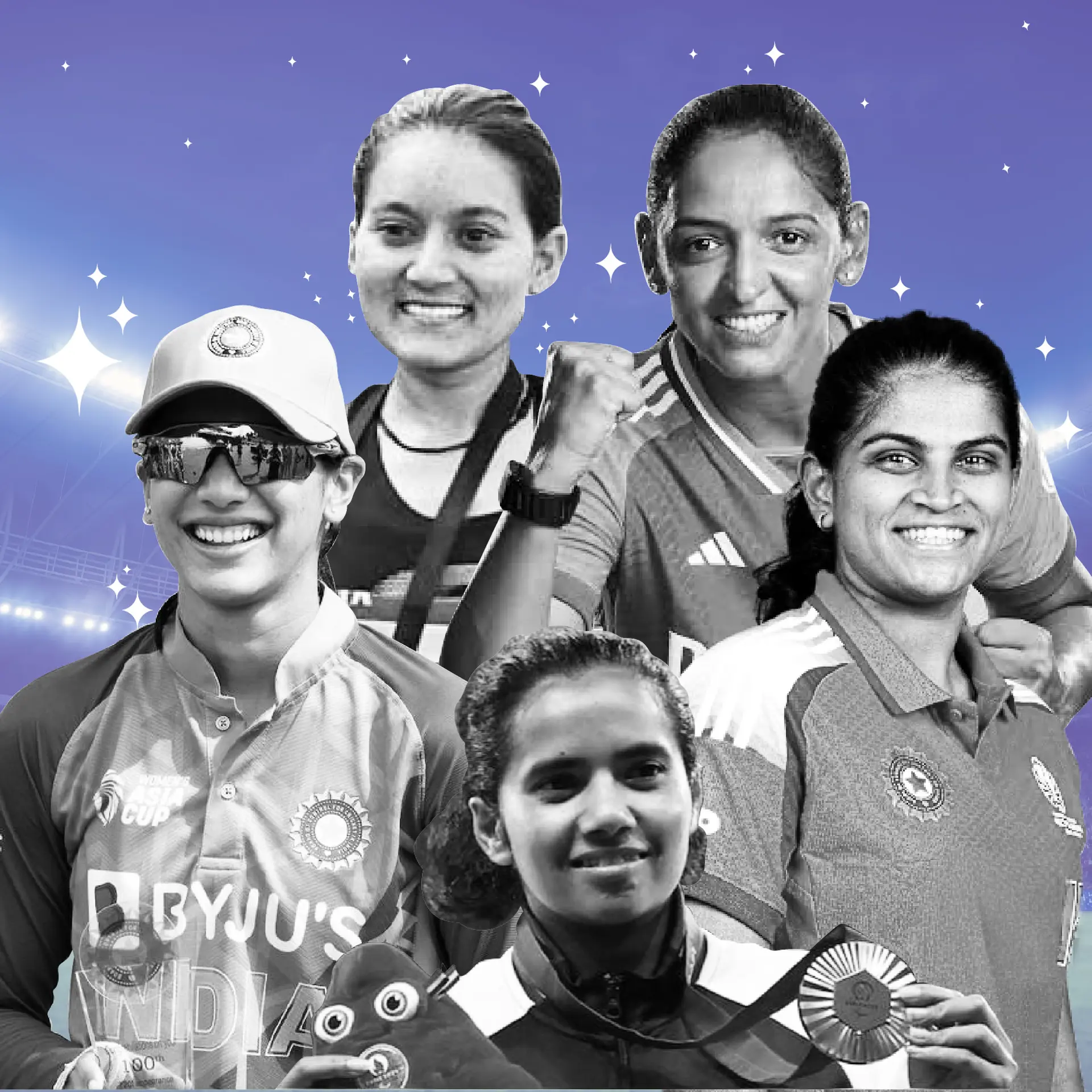

Indian women athletes have been making headlines across disciplines recently—from cricket and marathon running to para-athletics. Whether through record-breaking milestones, title-winning performances, or major national honours, these sportswomen are shaping the conversation around India’s sporting rise. Their stories are rooted in persistence, skill, and years of steady work and training before they reached the spotlight.
Tejal Hasabnis
An unbeaten half-century in a final—that’s how Tejal Hasabnis grabbed headlines this week. The India A batter scored a steady 51 not out off 34 balls to help her team defeat Bangladesh A by 46 runs and win the Women’s Asia Cup Rising Stars title, earning Player of the Match. She earned a reputation as a calm, reliable top-order batter who performs well under pressure.
Hasabnis is from Pune, Maharashtra, and plays domestic cricket for her state side. Born on August 16, 1997, she is a right-handed batter and part-time off-spin bowler who made her India debut in 2024.
The only child of a banker father and architect mother, Hasabnis grew up with strong family support, which gave her the foundation to follow her passion and turn consistent performances into national-level victory.
Harmanpreet Kaur
India captain Harmanpreet Kaur added another landmark to her career when she became the most-capped woman in international cricket during the second T20I against Australia on February 19. Known for her fearless batting and composure in high-pressure matches, she has led the team across formats and played key roles in some of its most memorable wins over the past decade.
Kaur grew up in Moga, Punjab, where her father, a former sportsperson and her first coach, encouraged her to take cricket seriously. With few girls’ teams around, she often trained with boys. It became an experience that toughened her game early and helped shape the powerful, resilient cricketer she is today.
Nirmaben Thakor
Nirmaben Thakor moved into the spotlight this week after winning the women’s race at the New Delhi Marathon on February 22, clocking 2:41:15 to finish ahead of Bhagirathi and Ashwini Jadhav. The victory came at the 11th edition of the national marathon, which drew over 30,000 runners from 31 countries, making it one of India’s biggest road-running events.
Thakor comes from Hajipur village in Patan district, Gujarat, and is the daughter of a farmer. The 27-year-old long-distance runner, who trains in Nashik under coach Vijendra Singh, has built her career through prize-money races while managing financial constraints and training expenses. Earlier, she won the Tata Mumbai Marathon Indian elite title back-to-back, including a 2:50:06 finish in 2025.
Smriti Mandhana
This week, Smriti Mandhana was named BBC Indian Sportswoman of the Year 2025, adding another major honour to an already glittering career. The award recognised her consistency across formats and her role as one of the most reliable pillars of India’s batting line-up. Mandhana has built a reputation for scoring under pressure and shaping match results at the international level.
She grew up in Sangli, Maharashtra, in a cricket-loving family. Her father and brother both played district cricket and encouraged her early interest in the sport. Mandhana made her India debut as a teenager in 2013 and has since become one of the team’s senior leaders, combining her calm temperament with strokeplay.
Preethi Pal
Named Para-Sportswoman of the Year, following her strong performance at the Paris 2024 Paralympics, Indian sprinter Preethi Pal won two bronze medals there, making her one of the country’s top para-athletes. Her races stood out for her quick starts and determined finishes, which helped her reach the podium on one of sport’s biggest stages.
Pal, from Uttar Pradesh, was diagnosed with cerebral palsy, a condition that affects movement and coordination. With steady training, she started athletics later in life and rose through state and national-level competitions. Her journey from a small town to the Paralympics shows how consistency and hard work can turn early promise into international success.
Edited by Affirunisa Kankudti