


A New Era for Brandy in India: How this under recognised spirit is poised for rapid growth
Brandy is set to captivate the Indian market by offering a refined yet dynamic drinking experience for every occasion—reflecting a broader shift in the spirits industry.

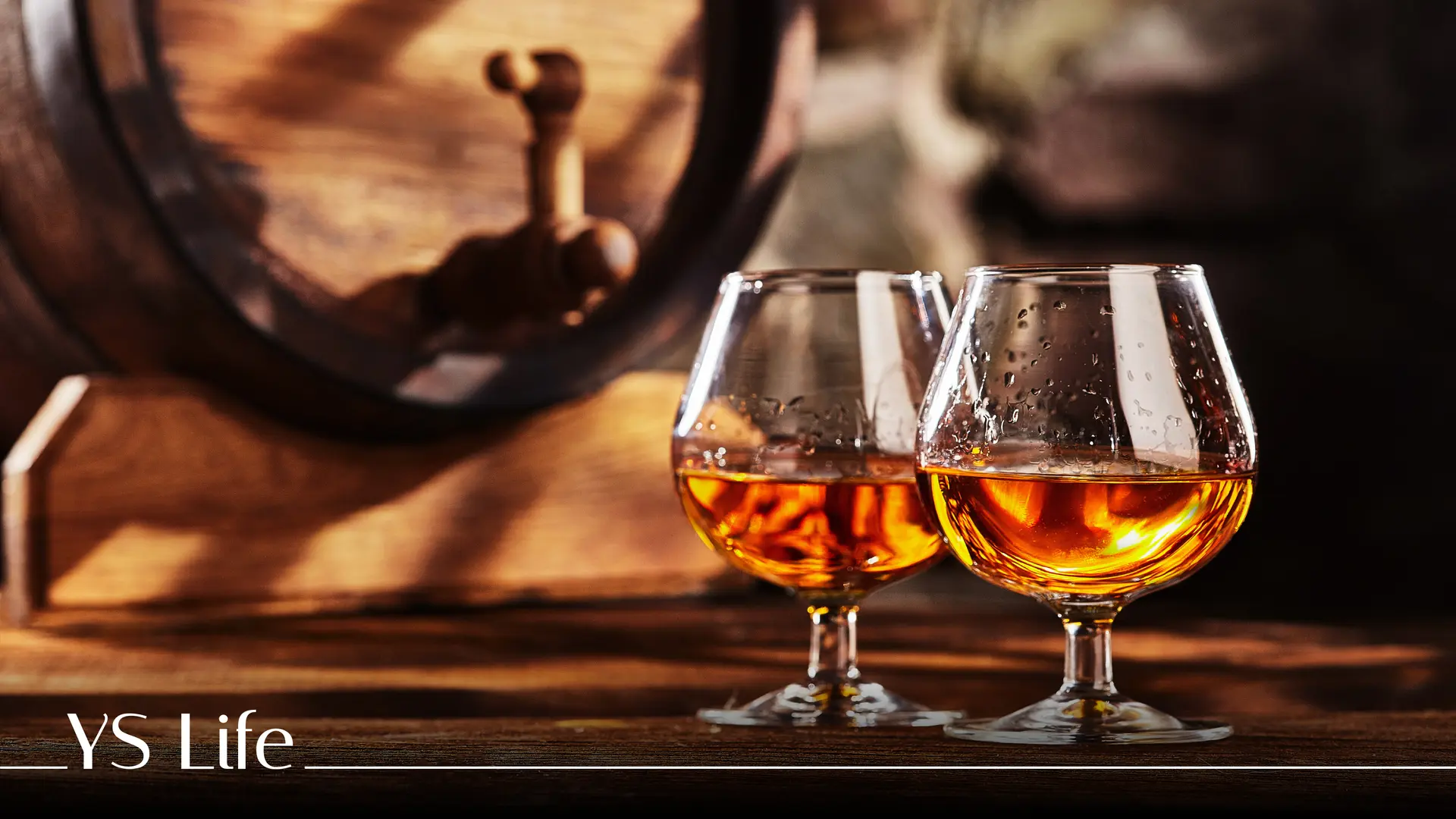

In the world of spirits, brandy has often been overshadowed by its flashier counterparts—whisky, vodka, and rum. Yet, it quietly holds the distinction of being India’s second-most-consumed spirit drink, trailing only whisky.
For decades, brandy was largely overlooked, and seen as a drink reserved for winter months or for medicinal remedies. But the tides are turning, and brandy is stepping back into the limelight.
According to the India Brandy Market Overview, brandy accounts for over 20% of the Indian spirits market. As per the India Brandy Market Size & Outlook, 2023-2030, the India brandy market generated a revenue of $1,293.8 million in 2023 and is expected to reach $2,171.2 million by 2030.
Source: Shutterstock
Brandy is slowly re-emerging as consumers increasingly seek unique, flavourful experiences in their alcoholic beverages, valuing craftsmanship, heritage, and complex profiles that elevate their drinking experience. The future of Indian brandy looks exceptionally promising, with the industry poised for rapid growth driven by changing consumer preferences.
As India’s middle class expands, so does the appetite for premium experiences, and brandy brands are answering the call with sophisticated, higher-end expressions.
Tinged with nostalgia but riddled with myths
Brandy, most commonly distilled from grapes, offers a rich tapestry of flavours ranging from fruity and smooth to deep, complex oak, caramel, and spice notes. Its aging process in wooden barrels lends depth and sophistication, similar to whisky, but with a distinctive softness and subtle sweetness.
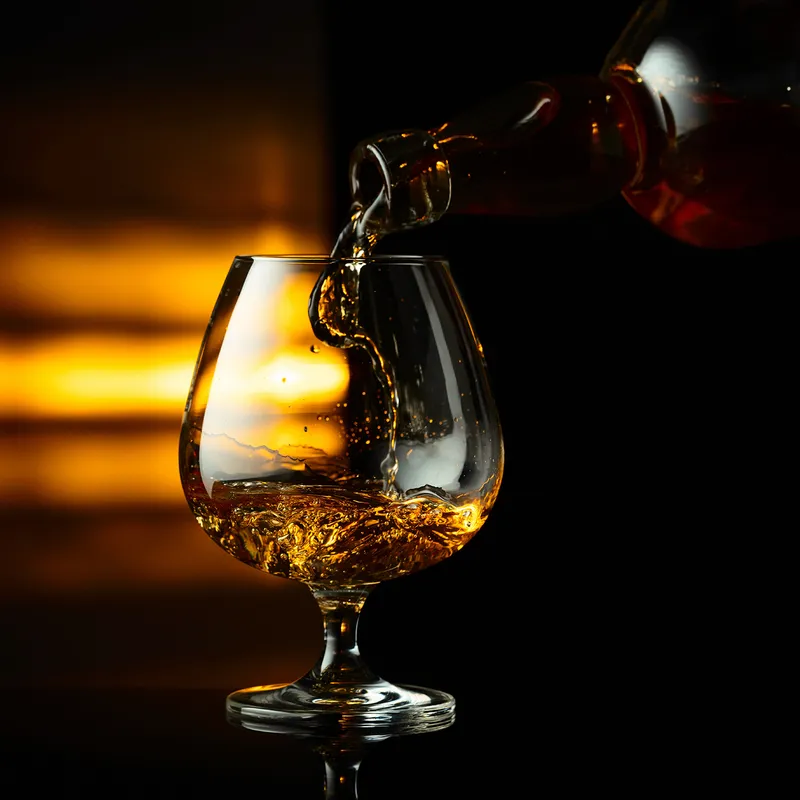
Imagine this: a glass of fine brandy swirled gently, revealing layers of aromas—ripe fruits, warm vanilla, and a whisper of spice. Whether sipped neat, savoured over ice, or mixed into a cocktail, brandy’s versatility makes it a drink for connoisseurs and casual drinkers alike.
India’s love affair with brandy runs deep, especially in southern states like Tamil Nadu, Kerala, and Goa, where it has traditionally been associated with celebrations and hospitality. Even today, Tamil Nadu leads the charge, with brandy reigning as the region's spirit of choice. Brandy’s popularity is evident in states like Pondicherry as well, where liquor shops aren’t just stores—they’re affectionately known as “brandy shops”.
For years, Brandy’s story was tinged with nostalgia. It was often associated with older generations or as a home remedy for colds. While these narratives are part of its charm, they also pigeonholed brandy as a spirit of the past.
Source: Shutterstock
Changing the narrative
While brandy may not be as well-known as whisky, its diverse production methods and fruit-based origins give it a unique identity. Its complexity rivals that of whisky, while its accessibility makes it even more alluring to new drinkers.
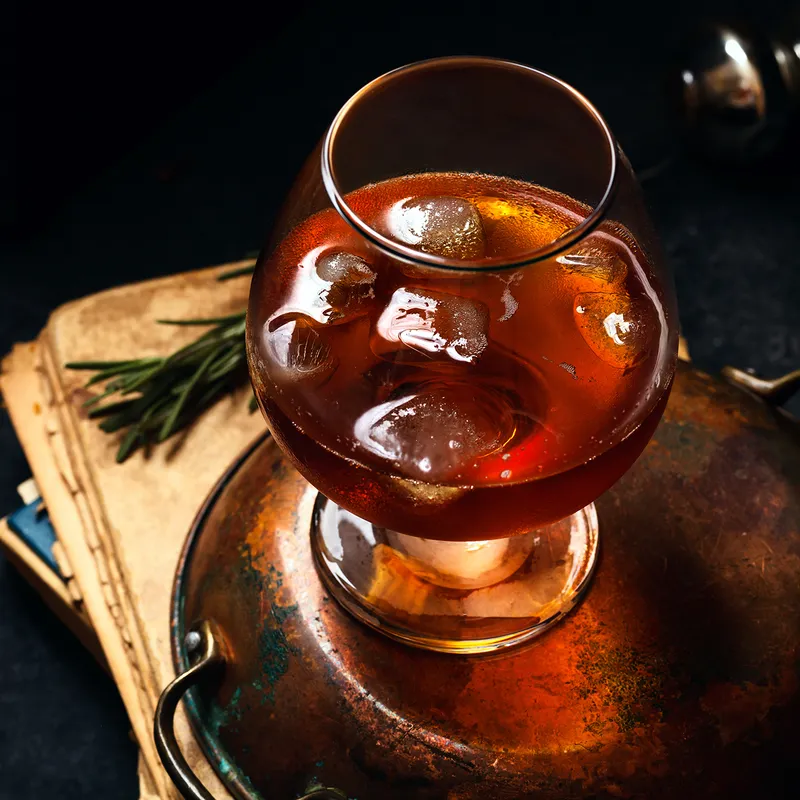
Take cocktails, for instance. While brandy is often associated with the warm comfort of a Hot Toddy, it can shine just as brightly as whisky in a Manhattan or Old Fashioned. It also lends itself beautifully to creative mixes like a Brandy Sour or a Sidecar. This versatility is poised to captivate consumers looking for spirits that can do it all.
Cognac vs. Brandy: Demystified
Just as all single malts are whiskies, not all whiskies are single malts; all Cognac is brandy, but not all brandy is Cognac.
- Geography: Cognac must come from the Cognac region in France, where the unique terroir of soil, climate, and grape varieties influence the final product. Brandy, in contrast, can be produced anywhere in the world, and can be made from various fruits, though grapes remain the most common.
- Production Process: While both are made by distilling wine or fermented fruit juice, cognac undergoes a more specific process:
- Double distillation in a pot still, which helps concentrate flavours.
- Aging in oak casks: To be classified as cognac, the spirit must be aged at least two years in French oak barrels, with classifications like VSOP (Very Superior Old Pale—aged between four to six years) and XO (Extra Old—at least 10 years) requiring even longer aging.
High-quality Indian brandies, though not labelled as Cognac, adhere to traditional methods such as coal-fired copper pot still distillation—a hallmark of the Cognac-making processes.
The future of Indian brandy
Brandy is poised to captivate the Indian market by offering a refined yet dynamic drinking experience for every occasion. This trend reflects a broader shift in the spirits landscape.
Much like whisky’s evolution into a symbol of refinement and luxury, brandy is carving out its niche. With more price-tiering options coming into this spirit category, we will see not only a revival but also a rebranding of the category.
(The author is the Chairman and Managing Director at Tilaknagar Industries Ltd.)
Edited by Megha Reddy
(Disclaimer: The views and opinions expressed in this article are those of the author and do not necessarily reflect the views of YourStory.)